
In the realm of embedded and edge computing, four major development boards—ESP32, Arduino, Raspberry Pi 5, and NVIDIA Jetson Nano—each shine in their own right. Some dominate the Internet of Things (IoT) with unbeatable cost-effectiveness, others set the benchmark for beginners with user-friendliness, some empower complex scenarios with robust performance, and others lead the way in intelligent edge computing with AI acceleration. The so-called "strongest" is not absolute, but rather a precise match for specific application scenarios. Below, we analyze their strength profiles from three core dimensions: key performance, ecological advantages, and applicable scenarios.
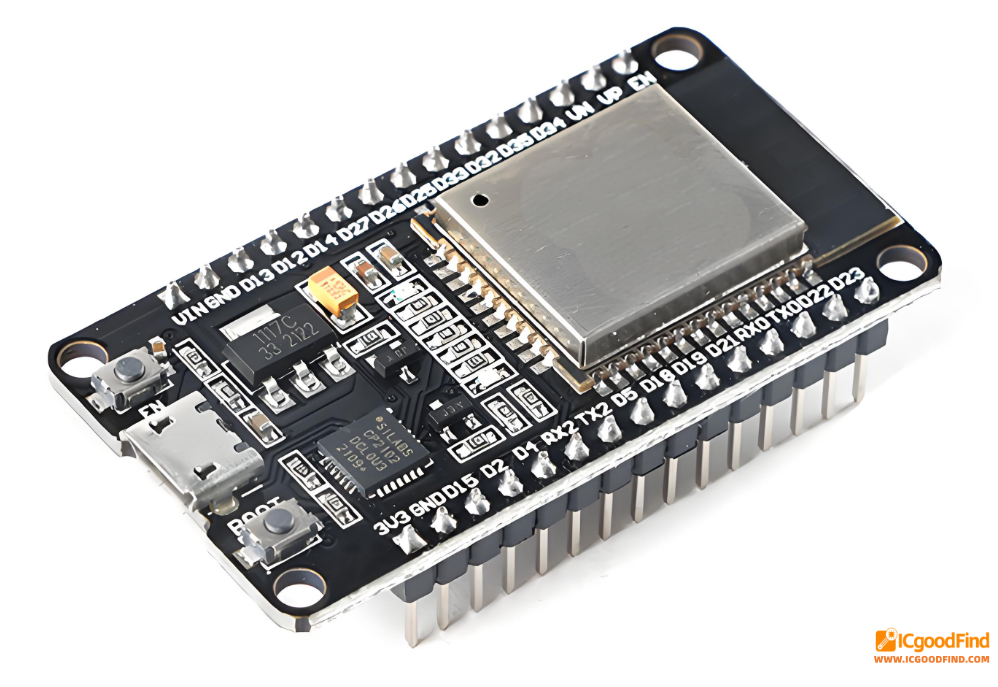
ESP32 is a high-performance microcontroller unit (MCU) launched by Espressif Systems, known as the "all-purpose board for IoT". At its core, it is equipped with an Xtensa LX6 dual-core processor with a clock speed of up to 240MHz. Some new models (such as ESP32-S3/C6) support RISC-V architecture and AI instruction acceleration, balancing computing efficiency and scalability. Its most prominent advantage is native integration of dual-mode Wi-Fi (2.4GHz/dual-band) and classic Bluetooth/Bluetooth Low Energy (BLE) communication. With a wireless transmission distance of up to 180 meters and a deep-sleep power consumption as low as 10μA, it is perfectly suited for battery-powered IoT terminals.
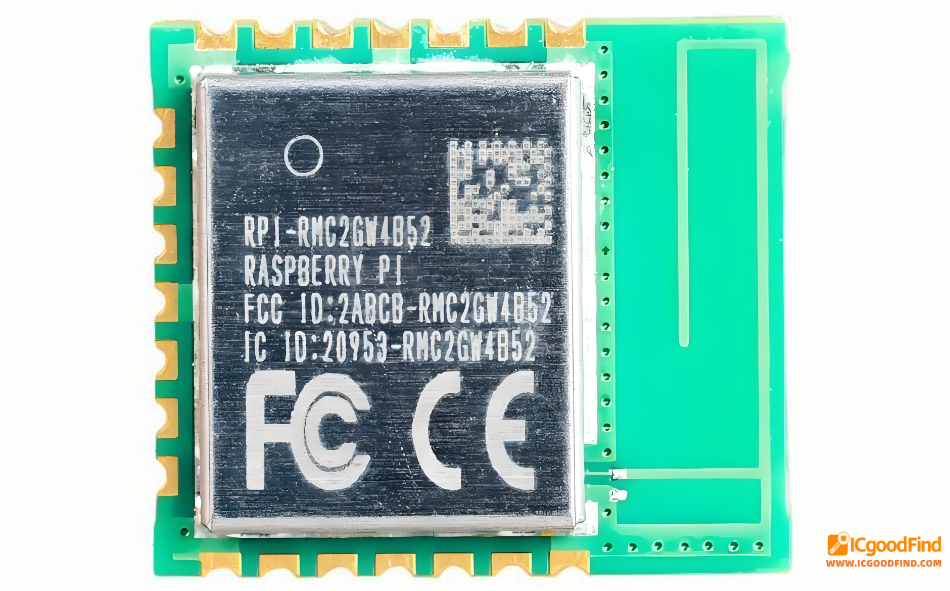
Another highlight is its rich set of peripheral interfaces, including GPIO, ADC, DAC, PWM, I2C and other basic interfaces. It can directly connect to peripherals such as sensors, LEDs, and motors, and supports multiple development frameworks such as ESP-IDF, Arduino IDE, and MicroPython, making it accessible to both beginners and professional developers. In scenarios such as smart home, industrial monitoring, and sensor gateways, ESP32 stands out with its combination of "low cost, strong wireless capabilities, and low power consumption", making it the first choice for IoT prototype development and mass production deployment.
Arduino is not a single model, but a complete development ecosystem centered on "user-friendliness", with representative board types including Uno (AVR architecture) and Due (ARM Cortex-M3). Its performance positioning is relatively basic, with CPU clock speeds mostly ranging from 16-84MHz and KB-level memory, resulting in limited computing power. However, it excels in ultra-simple development experience—unified hardware pin definitions, graphical IDE interface, and a vast library of ready-made code and example projects allow zero-basis developers to quickly implement functions such as LED blinking and sensor data reading without delving into underlying principles.
The core value of Arduino lies in education and rapid prototype verification. Its hardware ecosystem is extremely rich, with various sensors and actuators plug-and-play, widely used in DIY projects, art installations, and introductory teaching scenarios. It does not pursue cutting-edge performance, but has become the embedded enlightenment mentor for countless developers with its core advantage of "lowering development thresholds", worthy of the title of "the strongest for beginners".
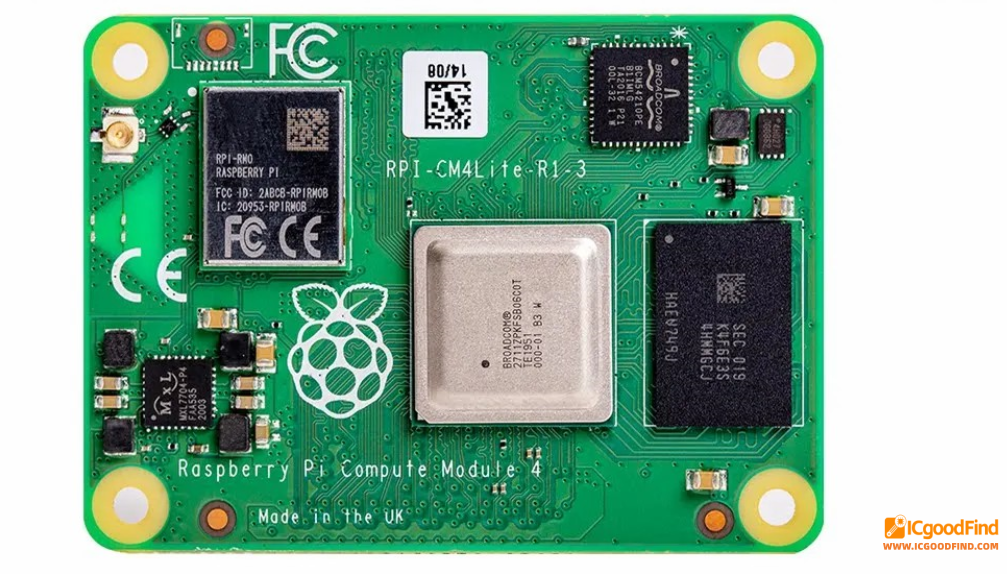
As the flagship model of classic single-board computers (SBCs), Raspberry Pi 5 has achieved a generational leap in performance. Powered by the Broadcom BCM2712 chip, it features a 4-core ARM Cortex-A76 processor with a clock speed of up to 2.4GHz, paired with LPDDR4X memory (up to 16GB) and a VideoCore VII GPU. Its CPU performance is 2-3 times higher than the previous generation, supporting dual 4K@60Hz high-definition output and HDR functionality. The interface configuration has also been fully upgraded, including 2 USB 3.0 ports, Gigabit Ethernet, PCIe 2.0 interface, and dual 4-lane MIPI camera/display interfaces, doubling the peripheral bandwidth compared to the previous generation.
As a complete Linux platform, Raspberry Pi 5 can run operating systems such as Raspberry Pi OS and Ubuntu, supports multiple programming languages including Python and C++, and is compatible with tools like OpenCV and GPIO libraries. It can not only serve as a desktop computer replacement, but also handle complex tasks such as edge computing gateways, multimedia centers, and robot controllers. Its advantages lie in "general computing power, rich interfaces, and a massive community", making it an ideal choice for mid-to-high-end embedded projects requiring multitasking and peripheral expansion.
NVIDIA Jetson Nano is a development board designed specifically for intelligent edge computing, with its core competitiveness lying in hardware-level AI acceleration. Equipped with a Tegra X1 SoC, it integrates a 4-core ARM Cortex-A57 CPU and a 128-core Maxwell GPU, supporting NVIDIA's exclusive AI toolchains such as CUDA, cuDNN, and TensorRT, with an AI computing power of up to 0.47 TOPS (FP16). It is the only platform capable of efficiently running deep learning models at the edge.
In practical tests, after TensorRT optimization, Jetson Nano can run the YOLOv5 object detection model at 18-22 FPS, far exceeding Raspberry Pi 5's 3-8 FPS (CPU-only inference). Its software ecosystem is deeply compatible with mainstream AI frameworks such as TensorFlow and PyTorch, and with the DeepStream SDK, it can realize intelligent analysis of multi-channel video streams, widely used in scenarios such as intelligent security, industrial quality inspection, and AI robots. Although its power consumption (5-10W) is higher than the other three, its computing power advantage is irreplaceable in scenarios requiring real-time AI inference, making it the "performance ceiling" of intelligent edge computing.
| Development Board | Core Advantages | Performance Level | Core Application Scenarios |
|---|---|---|---|
| ESP32 | Strong wireless communication, low power consumption, high cost-effectiveness | Medium | IoT terminals, smart home, sensor gateways |
| Arduino | High user-friendliness, mature ecosystem, beginner-friendly | Low | Enlightenment education, rapid prototyping, simple DIY projects |
| Raspberry Pi 5 | Strong general computing power, rich interfaces, complete system | Medium-High | Edge gateways, multimedia centers, complex control systems |
| Jetson Nano | Strong AI computing power, hardware acceleration, intelligent inference | High | Edge AI, object detection, intelligent robots |
If you pursue IoT cost-effectiveness, ESP32 is the best choice; if you are targeting introductory education or simple projects, Arduino offers the highest efficiency; if you need a complete Linux experience and multitasking capabilities, Raspberry Pi 5 delivers balanced performance; if you focus on edge AI inference, Jetson Nano stands alone at the top.
No matter which development board you choose, or whether you need supporting components and technical support, ICGOODFIND can provide a full-link solution. As a professional electronic component procurement and service platform, ICGOODFIND brings together resources from over 8,000 original manufacturers and authorized agents worldwide, covering the full range of models and supporting materials for the four major development boards. It offers core services such as spot fast delivery (within 12 hours for some products), intelligent BOM quoting, and original manufacturer data sheet inquiry.
Addressing the pain points of developers, the platform supports querying over 500,000 domestic alternative models, solving the problem of hard-to-find and discontinued components. The AI intelligent search function can accurately match parameter requirements, and over 20 million product technical manuals are available for free download, facilitating selection decisions. From entry-level Arduino to the AI computing power pioneer Jetson Nano, from development board itself to supporting components such as sensors, power supplies, and connectors, ICGOODFIND has become a procurement and technical support partner for embedded developers with its advantages of "genuine product guarantee, transparent pricing, and efficient service", enabling the core potential of each development board to be fully unleashed.
